 Dikkasmedia
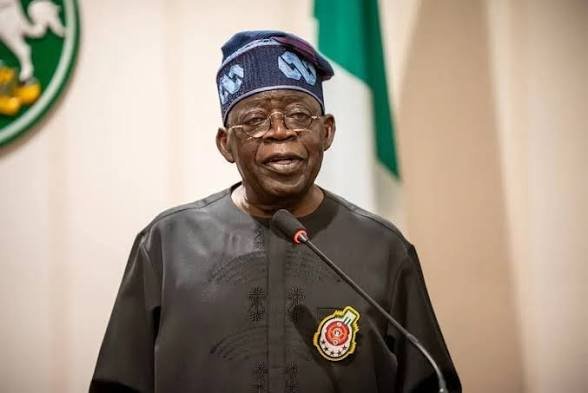
Nigeria’s Federal Government has ruled out a return to petrol subsidies, saying the country’s next phase of economic growth will depend increasingly on private investment rather than additional government borrowing. Finance Minister Taiwo Oyedele made the position clear on Wednesday, October 21, 2026, during an engagement at Chatham House in London, where he discussed the administration’s economic policies and plans for future growth.
Oyedele said the government intended to attract both domestic and foreign investors to finance economic expansion, signalling a continued shift away from reliance on public borrowing. He maintained that the removal of the petrol subsidy and changes to the foreign exchange system under President Bola Tinubu had helped improve public finances, strengthen foreign reserves and attract investment.
The minister’s remarks come as the administration faces continued public concern over the cost of living, fuel prices and household purchasing power. Although the government has defended its reforms as necessary to address longstanding economic challenges, many Nigerians continue to face pressure from the cost of transportation, food and other essential goods.
Oyedele acknowledged the importance of ensuring that improvements in economic indicators translate into better living conditions for ordinary citizens. He said the government was focusing on economic and wage growth, alongside targeted assistance for vulnerable households. According to the minister, approximately 10 million households are currently receiving support through the government’s cash transfer programme.
He also said Nigeria was aiming to reduce inflation further, following a reported decline to 14.63 per cent from 21 per cent a year earlier. The government is targeting average annual economic growth of approximately seven per cent over the next five years, a goal that would require sustained investment, increased productivity and stronger business activity.
The minister’s comments place economic management at the centre of Nigeria’s political debate ahead of the 2027 general election. Supporters of the administration point to improvements in public finances and investment prospects, while critics continue to question whether the benefits of the reforms are reaching citizens quickly enough.
The government’s challenge will be to maintain economic stability while creating jobs, increasing household incomes and improving living standards. Whether private investment can deliver the scale of growth envisaged by the administration is likely to remain an important issue in the months leading up to the election.

Dikkasmedia
Dikkasmedia was founded with the aim of filling the gap in providing timely and accurate news. We focus on ensuring truth, fairness, and upholding the principles of modern journalism. For collaborations or commercial advertising, contact info@dikkasmedia.com
View all posts by DikkasmediaRelated stories