 Dikkasmedia

Nigeria’s proposed establishment of state police has moved closer to implementation after 30 of the country’s 36 State Houses of Assembly reportedly approved the constitutional amendment required to introduce decentralised policing.
The development exceeds the constitutional threshold of 24 state assemblies needed to support an amendment under Nigeria’s constitutional process. The proposal is intended to give states a greater role in addressing insecurity, alongside the existing federal police structure.
The Presidency has also asked business leaders and private-sector organisations to help develop a sustainable funding plan for the proposed state police system. Presidential Chief of Staff Femi Gbajabiamila said states would need the financial capacity to pay officers’ salaries, provide professional training and maintain operational equipment.
The proposal would establish a dual policing structure, allowing federal and state police services to operate alongside each other. Supporters argue that state police could improve local intelligence gathering and enable faster responses to threats such as kidnapping, banditry and communal violence.
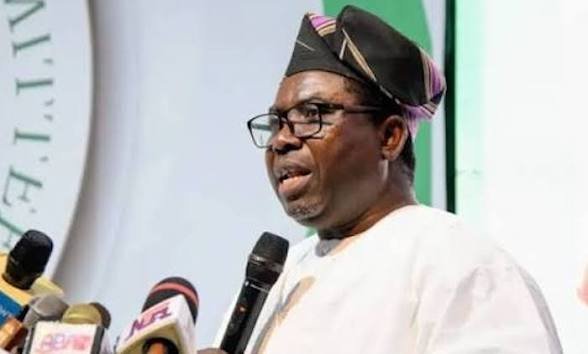
However, concerns remain over potential political interference, human-rights protections and disparities in funding between wealthier and poorer states. Lagos State Assembly Speaker Mudashiru Obasa has also called for clearer definitions of the powers and responsibilities of federal and state police.
The constitutional amendment has not yet completed the entire process. The proposal still requires the remaining formal legislative and presidential steps before the new system can be implemented. The Presidency says draft legislation is undergoing review to establish the legal framework and safeguards for the proposed reform.

Dikkasmedia
Dikkasmedia was founded with the aim of filling the gap in providing timely and accurate news. We focus on ensuring truth, fairness, and upholding the principles of modern journalism. For collaborations or commercial advertising, contact info@dikkasmedia.com
View all posts by DikkasmediaRelated stories