 Dikkasmedia
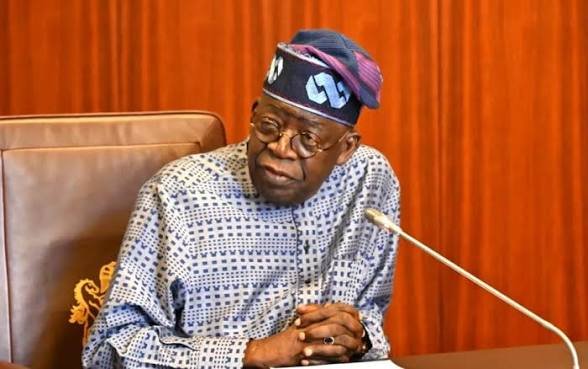
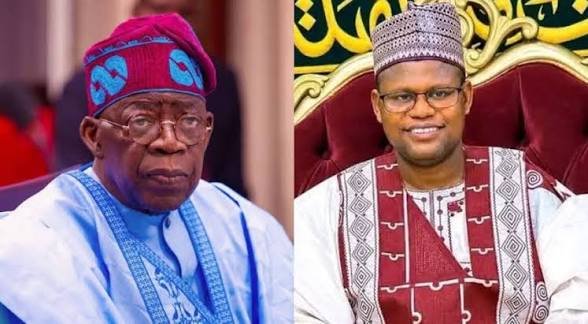
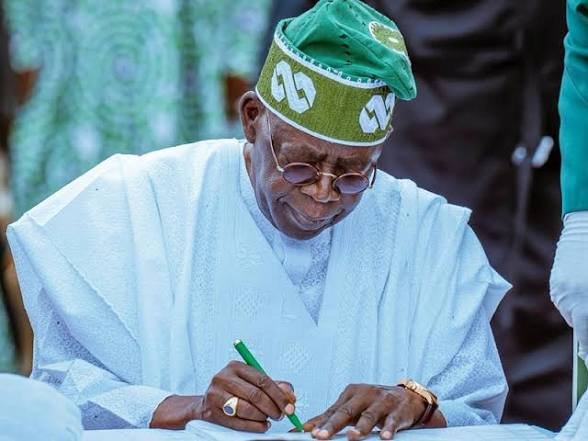
President Bola Tinubu has defended his administration’s decision to remove Nigeria’s petrol subsidy, declaring that the country will not return to the policy despite continuing concerns over rising fuel prices and the cost of living.
Tinubu made the remarks at a political event supporting his 2027 re-election bid, where he argued that the country had been heading towards financial difficulties before the subsidy reform was introduced. According to reports published on October 20, 2026, the President maintained that reversing the decision would undermine the direction of his administration’s economic policies.
The petrol subsidy was removed when Tinubu took office in May 2023. The decision ended the government’s previous system of subsidising petrol prices, shifting more of the cost of fuel consumption to consumers.
The administration has defended the reform as necessary to reduce government expenditure and redirect public resources towards other priorities. However, the policy has also contributed to public debate over affordability, transportation costs, food prices and the financial pressures facing households and businesses.
Tinubu used a biblical comparison to reinforce his position, saying Nigeria would not return to the previous arrangement. His remarks signalled the administration’s continued commitment to its economic reform programme.
The debate comes as organised labour maintains pressure on the Federal Government over workers’ welfare. The Nigeria Labour Congress has insisted that its two-week ultimatum remains in force, calling for relief from high petrol prices and renewed wage negotiations. Labour leaders argue that the current minimum wage of ₦70,000 has not adequately addressed workers’ rising living costs.
The government faces the challenge of balancing its economic objectives with demands for measures that protect households from the effects of higher living expenses.
As the 2027 general elections approach, the petrol subsidy debate is likely to remain an important political issue. Supporters of the reform point to the potential fiscal benefits, while critics continue to raise concerns about its immediate effects on ordinary Nigerians.
Tinubu’s latest remarks indicate that his administration intends to maintain the policy rather than restore the former subsidy system.

Dikkasmedia
Dikkasmedia was founded with the aim of filling the gap in providing timely and accurate news. We focus on ensuring truth, fairness, and upholding the principles of modern journalism. For collaborations or commercial advertising, contact info@dikkasmedia.com
View all posts by DikkasmediaRelated stories