 Dikkasmedia
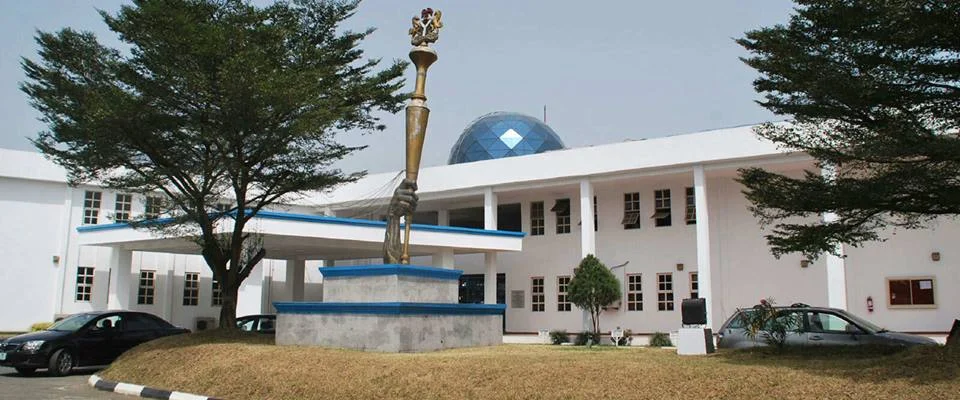
The Rivers State House of Assembly has reversed its decision to declare the seats of three lawmakers loyal to Governor Siminalayi Fubara vacant, marking another development in the state’s prolonged political crisis.
The decision was taken during plenary on Monday, October 19, 2026, and reported by The PUNCH on Tuesday. The lawmakers affected are Victor Oko-Jumbo, representing Bonny Constituency; Sokari Goodboy Sokari, representing Ahoada West Constituency; and Orubienimigha Timothy, representing Opobo/Nkoro Constituency. citeturn299636search1
According to a statement issued by the media aide to the Speaker, Martins Wachukwu, the reversal followed letters of appeal and apology submitted by the three legislators to the leadership of the Assembly.
The lawmakers had been caught up in the political dispute that has divided political leaders in Rivers State, particularly supporters of Fubara and those aligned with Federal Capital Territory Minister Nyesom Wike.
The crisis, which began in 2023, has involved disagreements over political control, legislative authority and the relationship between the governor and lawmakers. It has also drawn national attention because of its implications for governance and political stability in the oil-producing state.
Recent reconciliation efforts have included meetings involving Fubara, Wike and other political stakeholders. The latest discussions took place at the governor’s residence in Port Harcourt on Sunday, October 18, according to The Guardian. citeturn299636search5
The Assembly’s decision to recall the three lawmakers may help ease tensions between the opposing political camps, although the broader political relationship remains an important issue to watch.
The development also comes as political parties and their leaders prepare for the 2027 general elections. Rivers State is expected to remain politically significant because of its strategic position in the Niger Delta and its influence in national political negotiations.
For residents, the key concern will be whether the latest reconciliation efforts translate into more stable legislative activities and effective governance.
Although the reversal represents a step towards resolving one aspect of the dispute, the longer-term impact will depend on continued cooperation among the state’s political leaders and institutions.

Dikkasmedia
Dikkasmedia was founded with the aim of filling the gap in providing timely and accurate news. We focus on ensuring truth, fairness, and upholding the principles of modern journalism. For collaborations or commercial advertising, contact info@dikkasmedia.com
View all posts by DikkasmediaRelated stories