
 Dikkasmedia
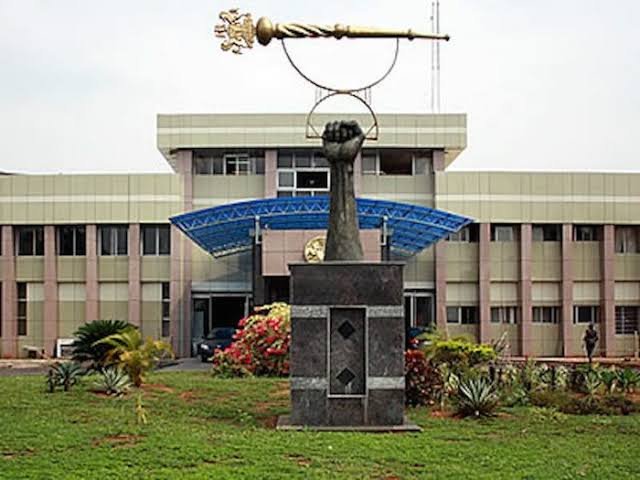
The Enugu State House of Assembly has approved a proposed constitutional amendment to establish state police in Nigeria, adding its support to efforts to decentralise the country’s policing system.
The resolution was passed during plenary on Tuesday, October 20, 2026, with Speaker Uche Ugwu announcing the decision. He said lawmakers supported the proposed constitutional change, expressing the view that it could help address security challenges across the state.
The development comes amid ongoing national discussions about whether individual states should be permitted to operate their own police services alongside the existing Nigeria Police Force.
Supporters of state police argue that decentralising policing could improve local intelligence gathering and enable officers to respond more quickly to crimes such as kidnapping, banditry, communal violence and other security threats. They maintain that state authorities may be better positioned to understand the specific security challenges affecting their communities.
However, the proposal has also raised concerns about accountability and the potential misuse of police institutions by state governments against political opponents or critics. These concerns have made effective oversight, operational independence and clear legal safeguards important parts of the debate.
The proposed reform requires a constitutional amendment before state police services can be established under the new framework. Although the National Assembly has passed the relevant amendment bill and forwarded it to state legislatures, the process is not yet complete.
Under Section 9(2) of Nigeria’s 1999 Constitution, a constitutional alteration of this nature requires approval by at least two-thirds of the 36 state Houses of Assembly — meaning at least 24 states — before it can proceed to presidential assent.
Enugu’s approval therefore represents another step in the legislative process, rather than the immediate creation of a state police force.
The proposal remains a significant subject of national debate as Nigeria seeks ways to improve public safety. Its eventual implementation will depend on securing the required constitutional approvals and establishing a framework that addresses funding, recruitment, training, accountability and the protection of citizens’ rights.
As more state assemblies consider the proposal, attention will remain on whether the necessary majority can be secured to move the reform forward.

Dikkasmedia
Dikkasmedia was founded with the aim of filling the gap in providing timely and accurate news. We focus on ensuring truth, fairness, and upholding the principles of modern journalism. For collaborations or commercial advertising, contact info@dikkasmedia.com
View all posts by DikkasmediaRelated stories