 Dikkasmedia
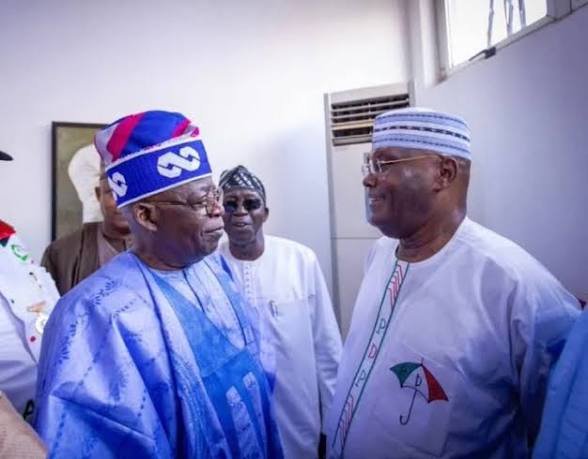
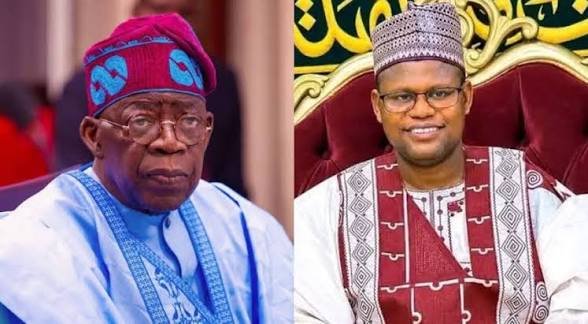
Former Nigerian Vice President Atiku Abubakar has criticised President Bola Ahmed Tinubu after the president blamed opposition politicians for the hunger and poverty affecting Nigerians during his 2027 re-election campaign launch in Kaduna.
Atiku’s response followed Tinubu’s address to supporters on Saturday, October 24, in which the president defended his administration’s economic reforms and accused political opponents of creating problems they now use to challenge the government. Atiku described the president’s remarks as an attempt to avoid responsibility for the country’s economic difficulties.
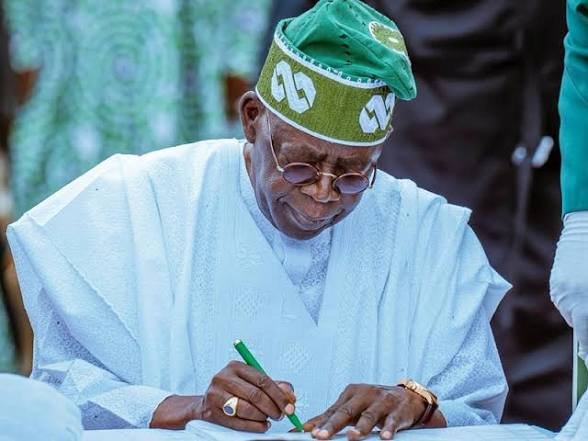
The disagreement has intensified political debate over the impact of Tinubu’s policies since he took office in May 2023. His administration removed the petrol subsidy and introduced changes to the foreign-exchange system, arguing that the measures were necessary to improve government finances, attract investment and strengthen the economy.
However, the reforms have also contributed to increased living costs, with higher fuel prices affecting transportation, food distribution and business operations. Many households continue to struggle to meet basic expenses, making economic conditions a central issue ahead of the 2027 presidential election.
Atiku, who is seeking to challenge the ruling All Progressives Congress through the African Democratic Congress, has repeatedly criticised the administration’s handling of the economy. His response reflects the opposition’s broader effort to make the cost of living, unemployment and insecurity major campaign issues.
The exchange also highlights the increasingly confrontational tone of Nigeria’s emerging election campaign. While Tinubu and his supporters argue that the reforms are laying the foundation for long-term economic recovery, opposition figures insist that the government must be held accountable for the hardship experienced by citizens.
Beyond the disagreement between the two politicians, the debate raises questions about how economic progress should be measured and how quickly government policies should deliver tangible improvements in household living standards.
As the election approaches, Nigerians will be assessing the competing claims against their own experiences with food prices, fuel costs, employment opportunities and access to essential services.
The dispute is likely to remain part of the political conversation as candidates seek to persuade voters that their economic policies offer a credible path towards improved living conditions.

Dikkasmedia
Dikkasmedia was founded with the aim of filling the gap in providing timely and accurate news. We focus on ensuring truth, fairness, and upholding the principles of modern journalism. For collaborations or commercial advertising, contact info@dikkasmedia.com
View all posts by DikkasmediaRelated stories