 Dikkasmedia
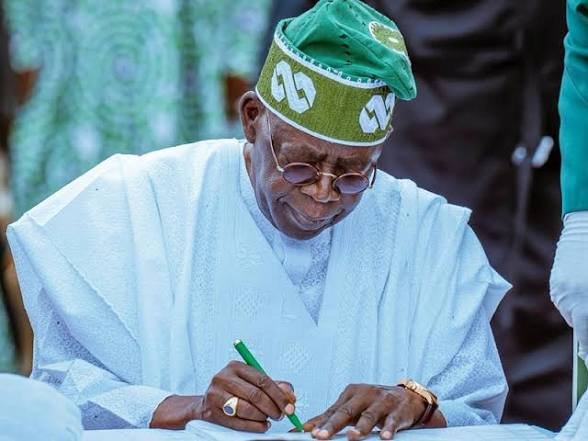
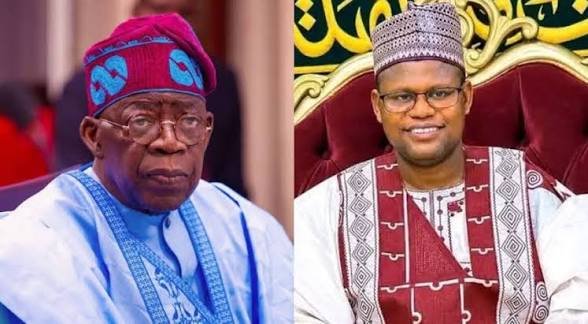
President Bola Tinubu has asked Nigeria’s National Assembly to approve a new external borrowing plan worth approximately $21.7 billion, covering the 2026 and 2027 fiscal years.
According to a report by Dikkasmedia published on October 27, the request comprises $20.52 billion and €1.045 billion in proposed foreign loans. The funds are intended to support infrastructure and other development projects across Nigeria.
The proposal comes as the Federal Government seeks financing for projects aimed at addressing infrastructure gaps, including investments in transport, electricity and healthcare. The administration has argued that additional funding is necessary to support development and improve public services.
However, the proposed borrowing is likely to renew debate over Nigeria’s rising public debt and the cost of servicing existing loans. Government borrowing can provide resources for major projects, but it also creates repayment obligations that must be managed through future government revenue.
Nigeria has faced persistent pressure to increase revenue collection while financing infrastructure and meeting recurrent spending commitments. Debt servicing has also remained a significant concern for policymakers, particularly as the government seeks to balance development spending with fiscal sustainability.
The National Assembly’s consideration of the request will be an important step in determining whether the proposed borrowing proceeds. Lawmakers will need to examine the terms of the loans, their intended uses and the government’s plans for repayment.
The proposal has also prompted questions about transparency, project selection and whether the borrowed funds will generate sufficient economic benefits to justify their cost. The long-term impact will depend partly on how effectively the money is allocated and whether the projects deliver measurable improvements.
As deliberations continue, Nigerians will be watching for details on the specific projects to be financed, the conditions attached to the loans and the safeguards intended to ensure accountability in their implementation.

Dikkasmedia
Dikkasmedia was founded with the aim of filling the gap in providing timely and accurate news. We focus on ensuring truth, fairness, and upholding the principles of modern journalism. For collaborations or commercial advertising, contact info@dikkasmedia.com
View all posts by DikkasmediaRelated stories