 Dikkasmedia
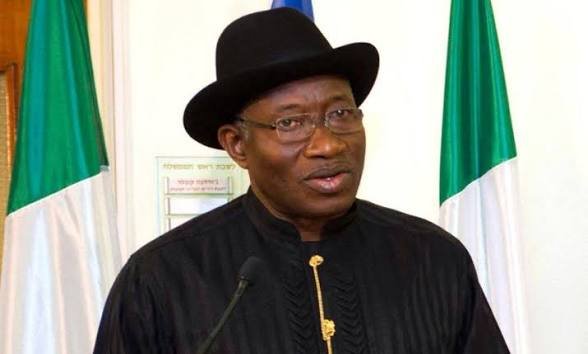
Former Nigerian President Goodluck Jonathan has called on political leaders to place the interests of the country above party loyalty and sectional considerations as preparations intensify for the 2027 general elections.
Jonathan made the appeal amid growing political activities and disagreements among parties seeking to strengthen their positions ahead of the next electoral cycle. He stressed that Nigeria’s long-term progress should remain the priority of political leaders, regardless of their party affiliations or personal ambitions.
According to a report published by Punch Newspapers on Wednesday, October 21, 2026, the former president maintained that Nigeria is greater than any political party or individual politician. His remarks come as political alignments, campaign preparations and discussions about possible alliances continue to shape the country’s political landscape.
Jonathan’s message also highlights the importance of national unity in a country where political debates frequently intersect with ethnic, religious and regional interests. These divisions have remained recurring challenges in Nigeria’s efforts to strengthen democratic institutions and promote inclusive development.
The former president’s appeal comes at a time when political parties are positioning themselves for the 2027 elections, with leading figures debating alliances, candidate selection and the direction of national policy. Competition for political offices is expected to intensify as parties seek to attract supporters and present their programmes to voters.
Beyond electoral competition, Jonathan’s remarks draw attention to the responsibilities that accompany public office. Decisions made by political leaders can influence economic opportunities, security, public services and the overall welfare of citizens long after individual administrations leave office.
The call for national interest to take precedence over party considerations also raises questions about how political leaders can work together on issues that require sustained cooperation, including insecurity, unemployment, economic development and institutional accountability.
As Nigeria moves closer to the 2027 elections, the challenge will be to ensure that political competition remains focused on policies, leadership responsibilities and the needs of citizens. Jonathan’s intervention adds to the ongoing debate about the role of responsible leadership in strengthening national unity and democratic governance.

Dikkasmedia
Dikkasmedia was founded with the aim of filling the gap in providing timely and accurate news. We focus on ensuring truth, fairness, and upholding the principles of modern journalism. For collaborations or commercial advertising, contact info@dikkasmedia.com
View all posts by DikkasmediaRelated stories