 Dikkasmedia
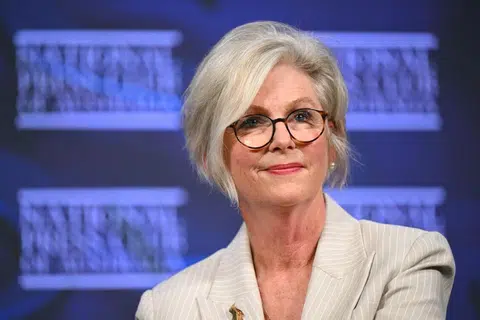
An attack targeting an Australian politician has renewed concerns about the safety of public officials and the growing threat of political intimidation in the country.
The incident comes amid years of warnings from Australian lawmakers and law enforcement agencies about threats directed at politicians and other public figures. Dikkasmedia reported that authorities have been increasingly concerned about the effects of hostile political rhetoric and the potential for intimidation to escalate into physical violence.
Political Threats Raise Security Concerns
Australia has faced growing scrutiny over the safety of elected representatives following several incidents involving threats and intimidation in recent years.
In 2021, anti-lockdown protesters in Melbourne displayed an effigy of a state leader on a makeshift gallows, an incident that highlighted the increasingly hostile atmosphere surrounding some political disputes.
Such events have prompted renewed discussions about how authorities can protect public officials while preserving democratic freedoms, including freedom of expression and the right to peaceful protest.
Political leaders and law enforcement agencies have repeatedly faced the challenge of distinguishing legitimate public criticism from threats that could endanger individuals or undermine democratic institutions.
Debate Over Political Rhetoric and Public Safety
The latest incident has drawn attention to the risks faced by politicians who work in increasingly polarised political environments.
Threats against public officials can affect their ability to engage with constituents, participate in public events and carry out their responsibilities without fear for their personal safety.
Security experts have also raised concerns about how hostility expressed online can contribute to real-world intimidation, particularly when threatening messages spread rapidly through social media platforms.
However, protecting politicians must also be balanced with the need to uphold democratic rights and ensure that citizens can freely criticise government decisions and elected representatives.
Calls for Greater Protection
The incident is likely to intensify discussions about security arrangements for politicians, the investigation of threats and the responsibilities of political leaders in public debate.
Authorities face pressure to ensure that threats are investigated appropriately and that those responsible for criminal acts are held accountable under the law.
The broader issue extends beyond Australia, as democracies worldwide consider how to protect public officials while maintaining open political debate.
As investigations and official responses develop, the incident highlights the importance of addressing political intimidation without restricting lawful criticism or peaceful civic participation.

Dikkasmedia
Dikkasmedia was founded with the aim of filling the gap in providing timely and accurate news. We focus on ensuring truth, fairness, and upholding the principles of modern journalism. For collaborations or commercial advertising, contact info@dikkasmedia.com
View all posts by DikkasmediaRelated stories