 Dikkasmedia
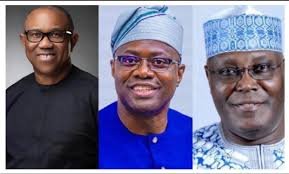
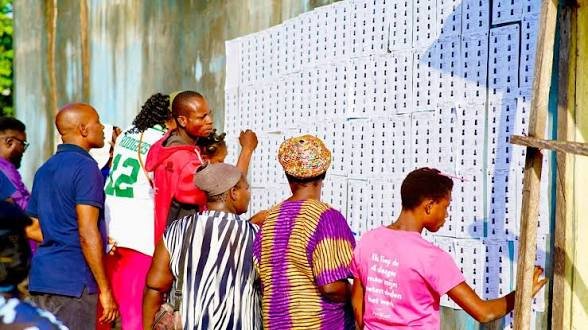
Nigeria’s opposition parties are facing renewed pressure to resolve their disagreements over a possible joint presidential candidate ahead of the January 2027 general election, following fresh exchanges between political leaders over whether competing opposition tickets should work together.
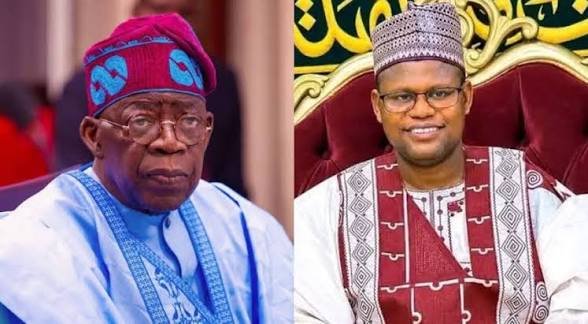
The debate intensified after Rabiu Musa Kwankwaso, the New Nigeria Peoples Party (NNPP) leader who is now associated with the Nigeria Democratic Congress (NDC) presidential ticket alongside Peter Obi, rejected calls for the ticket to withdraw in favour of the African Democratic Congress (ADC) candidate, Atiku Abubakar. Kwankwaso also dismissed suggestions that the Obi-Kwankwaso ticket was indirectly working in the ruling All Progressives Congress’s favour.
The disagreement highlights the challenges facing opposition leaders as they consider whether cooperation could help them present a more coordinated challenge to President Bola Tinubu and the APC. Although discussions about a single opposition candidate have continued, the parties have yet to reach a broadly accepted arrangement that resolves questions about leadership, candidate selection and the terms of any potential alliance.
The political situation has become increasingly significant as the election approaches. Opposition parties must balance the potential advantages of cooperation against their individual political interests, organisational structures and supporters’ expectations. A joint ticket would require agreement on not only the presidential candidate but also policy priorities, campaign strategy and the distribution of political responsibilities.
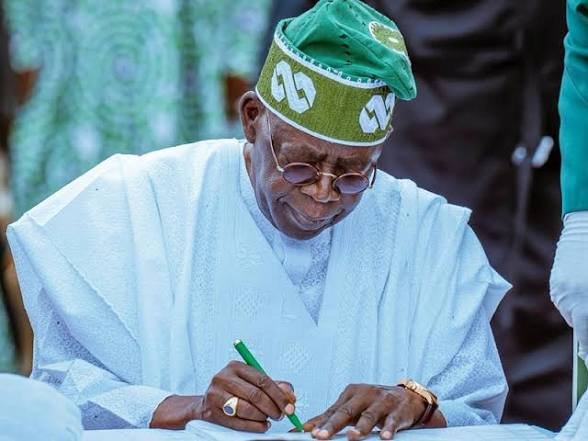
Meanwhile, the ruling APC has continued its political mobilisation as preparations for the election gather pace. The governing party has defended the Tinubu administration’s economic reforms, including the removal of petrol subsidies, while opposition figures have criticised the impact of rising living costs on Nigerian households.
Economic conditions are expected to remain an important issue in the campaign. Voters are likely to scrutinise competing proposals on inflation, employment, fuel prices, security and public services, making it important for parties to explain how their policies would be implemented and funded.
The disagreement among opposition leaders does not, by itself, determine the outcome of the election. However, it demonstrates that negotiations over political cooperation remain unresolved and that the parties still have important decisions to make before the campaign enters its final stages.
As the January 2027 election draws closer, attention will remain on whether opposition parties can agree on a common strategy or proceed with separate presidential campaigns. Their decisions will shape the political contest, while voters will ultimately assess the candidates, their records and their proposed policies.

Dikkasmedia
Dikkasmedia was founded with the aim of filling the gap in providing timely and accurate news. We focus on ensuring truth, fairness, and upholding the principles of modern journalism. For collaborations or commercial advertising, contact info@dikkasmedia.com
View all posts by DikkasmediaRelated stories