 Dikkasmedia
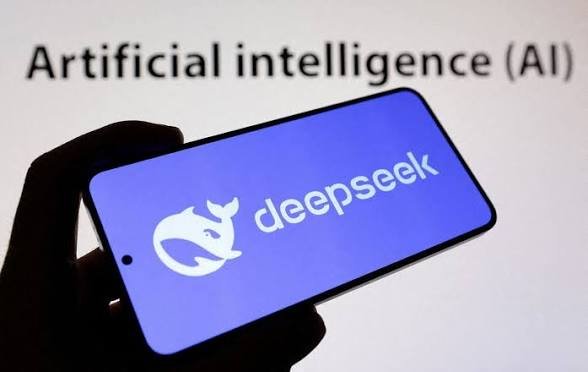
The United States has moved to block Chinese artificial intelligence startup DeepSeek from federal civilian government systems, prompting strong criticism from Beijing and raising fresh concerns about the growing technology rivalry between the two countries.
The US Department of Homeland Security issued an order requiring federal civilian agencies to remove DeepSeek products and third-party services developed using the company’s technology from their information technology systems. The directive also prohibits agencies from procuring DeepSeek products and services.
The order, which dates back to July, became public on Monday, October 19, 2026. US officials cited national security and data privacy concerns, including the potential risk of sensitive information being accessed through servers located in China.
China responded on Tuesday by condemning the decision and warning that it could take retaliatory measures. Chinese officials accused Washington of using national security concerns as a justification to restrict Chinese technology companies.
The dispute highlights the increasingly difficult environment facing technology companies operating across geopolitical boundaries, particularly in the artificial intelligence sector.
DeepSeek has attracted international attention for developing AI models that compete with products from major American technology companies. Its models have also gained popularity among developers because of their accessibility and suitability for a range of AI applications.
The latest restriction could affect government contractors and technology providers that have integrated DeepSeek’s tools into their products or services. Companies working with public-sector organisations may need to review their software systems to ensure compliance with the new requirements.
The decision also comes amid broader restrictions on China’s access to advanced semiconductor technology and growing competition between Washington and Beijing over AI development.
Despite the tensions, both countries continue to play major roles in shaping the global AI industry. The dispute demonstrates how national security policies are increasingly influencing which technologies governments permit within their systems.
For businesses and developers, the development is a reminder that AI adoption involves more than performance and cost. Data governance, cybersecurity, regulatory compliance and the location of data processing are becoming increasingly important considerations when choosing AI tools.
The wider impact of the restriction will depend on how the US government implements the order and whether further measures are introduced against Chinese AI products.

Dikkasmedia
Dikkasmedia was founded with the aim of filling the gap in providing timely and accurate news. We focus on ensuring truth, fairness, and upholding the principles of modern journalism. For collaborations or commercial advertising, contact info@dikkasmedia.com
View all posts by DikkasmediaRelated stories