 Dikkasmedia
Nigeria’s Real Estate Sector Contributes 13.1% to GDP in First Quarter of 2026
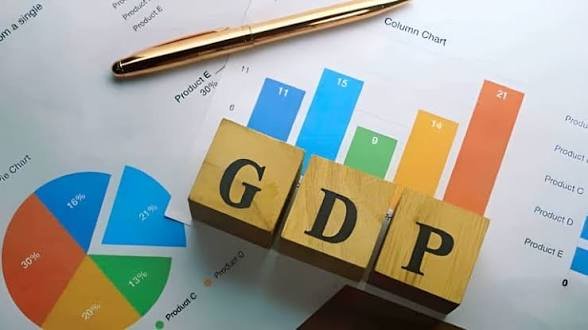
Nigeria’s real estate sector accounted for 13.1 per cent of the country’s real gross domestic product (GDP) in the first quarter of 2026, highlighting the industry’s growing importance to economic activity.
The figure was reported by The PUNCH on October 20, 2026, citing a report by international property consultancy Knight Frank. The report also indicated that Nigeria’s construction sector expanded by 6.38 per cent during the period, reflecting activity across parts of the country’s property and building industries. citeturn948061search0
Real estate plays an important role in Nigeria’s economy through residential housing, commercial property, office developments, retail spaces and industrial facilities. The sector also supports employment in construction, architecture, engineering, property management, building materials and related professional services.
Housing Demand Creates Opportunities
Nigeria’s expanding population and continued urbanisation have increased demand for housing and commercial property, particularly in major cities such as Lagos, Abuja and Port Harcourt.
For property developers, this demand presents opportunities to build residential estates, rental apartments, office complexes and mixed-use developments. However, turning demand into completed projects remains challenging because of high construction costs, financing difficulties, land acquisition expenses and infrastructure limitations.
Developers must also consider the purchasing power of potential buyers and tenants. Although demand for housing is substantial, affordability remains a major concern for many Nigerian households.
Construction Growth and Investment
The reported 6.38 per cent expansion in construction points to the sector’s contribution to broader economic activity. Construction projects generate demand for cement, steel, roofing materials, electrical equipment, plumbing products and skilled labour.
Increased investment in housing and commercial developments can also create opportunities for small businesses and local suppliers. Nevertheless, sustained growth depends on access to finance, reliable infrastructure, clear property regulations and efficient land administration.
Challenges Remain
Despite the sector’s contribution to GDP, Nigeria continues to face a housing deficit, while many households struggle to afford suitable accommodation.
Addressing these challenges will require a combination of public and private investment, more accessible housing finance, improved infrastructure and policies that encourage the development of affordable homes.
The latest figures highlight real estate’s significance to Nigeria’s economy. The key challenge is ensuring that continued sector growth translates into more affordable housing, sustainable construction activity and employment opportunities for Nigerians.

Dikkasmedia
Dikkasmedia was founded with the aim of filling the gap in providing timely and accurate news. We focus on ensuring truth, fairness, and upholding the principles of modern journalism. For collaborations or commercial advertising, contact info@dikkasmedia.com
View all posts by DikkasmediaRelated stories