 Dikkasmedia
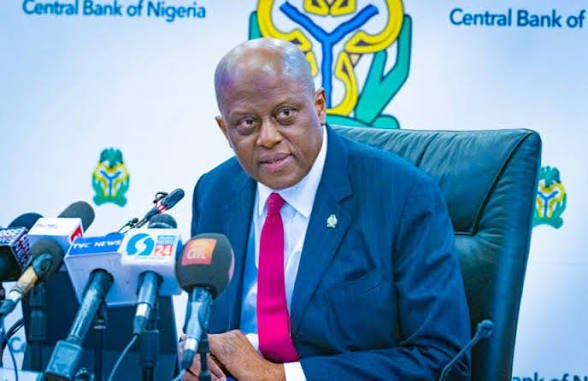
Nigeria’s inflation rate declined to 14.63 per cent in September 2026, offering some relief amid persistent concerns about the cost of living, while the Central Bank of Nigeria (CBN) reported significant progress in efforts to strengthen the country’s banking sector.
CBN Governor Olayemi Cardoso disclosed the latest economic figures following Nigeria’s participation in the 2026 Annual Meetings of the International Monetary Fund and World Bank Group in Bangkok, Thailand. He said the decline in inflation, alongside improvements in external reserves and banking sector capitalisation, reflected developments in the country’s economic environment.
According to the CBN, Nigerian banks raised approximately ₦4.65 trillion in fresh capital through the ongoing banking sector recapitalisation exercise. The funds are expected to strengthen banks’ capacity to absorb financial shocks, support lending and meet regulatory capital requirements. Cardoso also noted that more than 20 per cent of the capital raised came from domestic investors, indicating continued participation by Nigerian investors in the financial sector.
The governor further disclosed that the country’s external reserves had risen above $55 billion, their highest level in 18 years. Formal remittance inflows were also approaching $1 billion monthly, providing another source of foreign exchange for the economy.
The reported decline in inflation could help ease some pressure on households and businesses, although the impact on everyday prices may take time to become apparent. Lower inflation means prices are rising more slowly overall; it does not necessarily mean that food, transport, rent and other essential goods have become cheaper.
For businesses, inflation and foreign exchange stability remain important factors in determining operating costs, pricing decisions and investment plans. Companies that depend on imported raw materials and equipment are particularly sensitive to movements in the naira and the availability of foreign currency.
The banking recapitalisation programme is also expected to remain a major focus for financial institutions as they work to meet the CBN’s capital requirements. Stronger capital positions could improve banks’ ability to finance businesses and support economic activity, although the actual effect will depend on lending conditions, credit risks and demand for loans.
Despite these developments, Nigeria continues to face challenges involving living costs, business expenses and access to affordable financing. The latest figures therefore offer encouraging indicators for the financial sector, but sustained improvements in household welfare and business conditions will depend on how these economic gains translate into everyday life.

Dikkasmedia
Dikkasmedia was founded with the aim of filling the gap in providing timely and accurate news. We focus on ensuring truth, fairness, and upholding the principles of modern journalism. For collaborations or commercial advertising, contact info@dikkasmedia.com
View all posts by DikkasmediaRelated stories