 Dikkasmedia
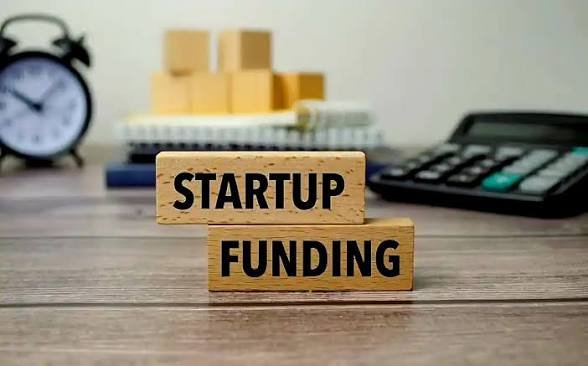
Nigerian startups attracted approximately $635 million in funding during the first nine months of 2026, more than doubling the $247 million recorded during the corresponding period in 2025. The increase places Nigeria at the forefront of Africa’s startup funding market, highlighting renewed investor interest in businesses developing solutions across technology and other sectors.
The figures were reported by Business a.m. on October 21, 2026, amid growing activity in Nigeria’s technology and investment landscape. The funding represents a significant increase in capital flowing to startups, although the amount raised does not necessarily indicate that every participating company is experiencing improved profitability or financial stability.
The growth comes as Nigerian entrepreneurs continue to develop businesses in financial technology, digital commerce, logistics, healthcare technology and other areas. These companies often rely on external funding to expand their operations, recruit employees, develop products and enter new markets.
Fintech remains an important part of Nigeria’s startup ecosystem, supported by widespread demand for digital payments, online financial services and tools that help businesses manage transactions. E-commerce and other digital platforms are also creating opportunities for entrepreneurs to connect consumers with products and services more efficiently.
However, access to investment remains uneven. While established startups may attract significant funding, smaller businesses often struggle to secure affordable financing, particularly when they lack a long operating history, strong cash flow or sufficient collateral. High operating costs, unreliable electricity and currency fluctuations can also complicate business expansion.
The rise in funding could help Nigerian startups strengthen their products, increase employment and compete across African and international markets. For investors, the opportunity lies in identifying companies with sustainable business models, capable management teams and the potential to generate long-term returns.
Nevertheless, the headline funding figure should be considered alongside other measures of business performance, including revenue growth, profitability, job creation and survival rates. Funding announcements alone do not establish whether the wider startup ecosystem has become financially sustainable.
Nigeria’s position in Africa’s startup investment market will depend on whether businesses can convert fresh capital into lasting commercial growth. Maintaining investor confidence will also require predictable regulations, stronger infrastructure and improved access to markets.
The latest figures provide an encouraging signal for the country’s entrepreneurial sector, but the longer-term impact will depend on how effectively startups use the money raised to build sustainable businesses and create economic opportunities.

Dikkasmedia
Dikkasmedia was founded with the aim of filling the gap in providing timely and accurate news. We focus on ensuring truth, fairness, and upholding the principles of modern journalism. For collaborations or commercial advertising, contact info@dikkasmedia.com
View all posts by DikkasmediaRelated stories