 Dikkasmedia
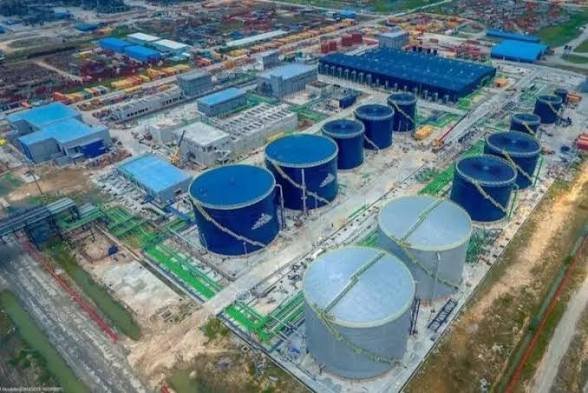
Nigeria’s domestic refineries received more than 127 million barrels of crude oil and condensate between January and September 2026, highlighting the scale of the country’s efforts to supply local processing facilities with raw materials.
According to a report by Dikkasmedia, the Nigerian Upstream Petroleum Regulatory Commission (NUPRC) disclosed the figures as the country continues to pursue greater domestic refining capacity and reduce dependence on imported petroleum products.
The volume delivered to domestic refineries represents an important development for Nigeria’s energy industry, particularly as the country seeks to strengthen local fuel production, improve energy security and retain more value from its crude oil resources.
However, crude oil deliveries alone do not guarantee that refineries will produce enough petrol, diesel and other petroleum products to meet national demand. The amount of crude actually processed, operational efficiency, maintenance requirements and the availability of supporting infrastructure all influence the final output.
Nigeria has invested significant attention in expanding its domestic refining industry, with the Dangote Petroleum Refinery emerging as a major player alongside the country’s state-owned refinery facilities. Greater local processing capacity could help reduce the country’s exposure to international fuel supply disruptions and fluctuations in imported petroleum product prices.
The development also comes amid continuing discussions about crude supply arrangements, refinery operations and the government’s broader energy policy. Reliable access to crude oil remains essential for refineries seeking to operate consistently and supply the domestic market.
For consumers and businesses, increased domestic refining could eventually improve the reliability of fuel supplies. Nevertheless, the impact on pump prices will depend on several factors, including crude acquisition costs, exchange rates, refining expenses, distribution charges and market competition.
The latest figures therefore underline both the progress and the challenges facing Nigeria’s refining ambitions. Sustained crude supply, efficient refinery operations and transparent commercial arrangements will be crucial if higher deliveries are to translate into increased production and more dependable fuel availability across the country.

Dikkasmedia
Dikkasmedia was founded with the aim of filling the gap in providing timely and accurate news. We focus on ensuring truth, fairness, and upholding the principles of modern journalism. For collaborations or commercial advertising, contact info@dikkasmedia.com
View all posts by DikkasmediaRelated stories